I recorded this video as a test for LiftShot, and it turned out to be one of the worst recordings I've ever made in terms of setup and audio quality. From my point of view as the sound engineer and the musician, the sound engineer part of me failed miserably.
Two cameras with two completely different settings, both set on auto, so not trying to match them from the very beginning. In fact, I couldn't have captured worse footage and audio if I'd tried.
But the silver lining is that these mistakes are things I've made over the years many, many times, and I'm sure I will more into the future, so it turned out to be the perfect case study for LiftShot and ideal footage to develop the tool into what it is right now. LiftShot has been in the build for the last four months.
The original, exactly as filmed
This is the original, straight off both cameras. No cropping, no grading, no movement, and the audio is exactly as it was recorded. It really was that quiet. Turn your sound up for this one.
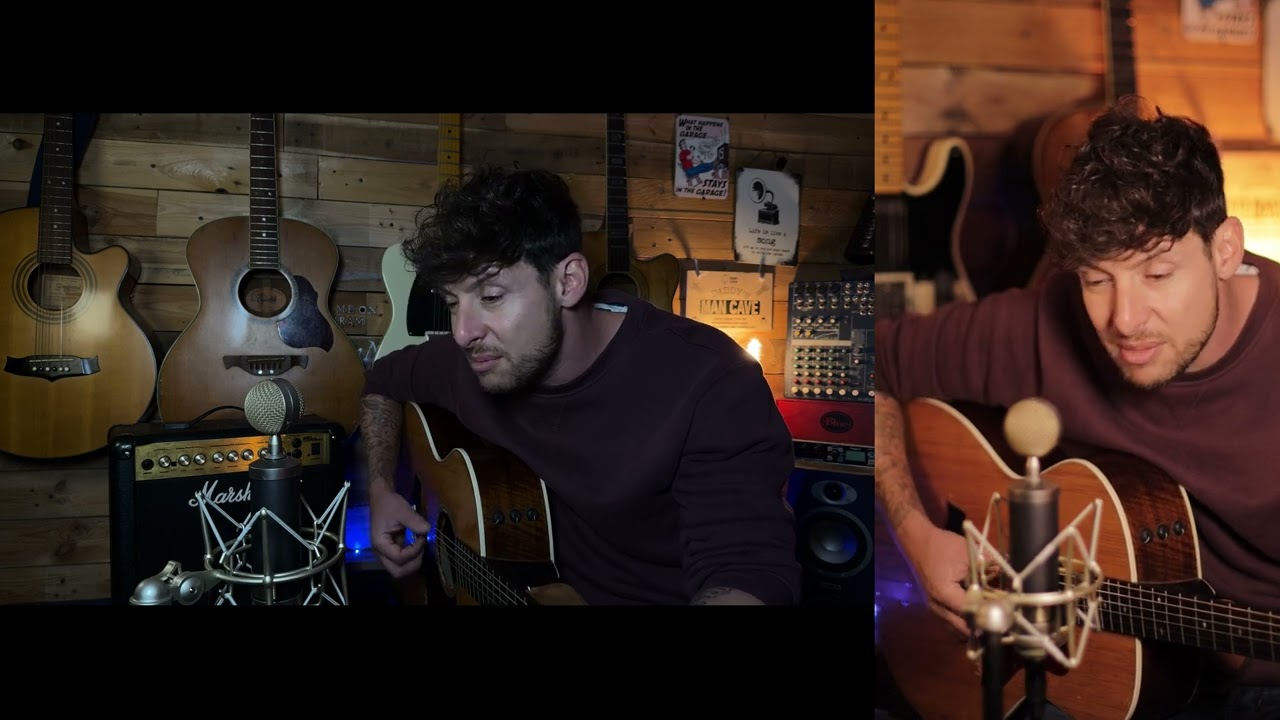
Why a raw recording never sounds like the room
When I was teaching, one of the things I really enjoyed doing with the students was recording, because there's something bizarre about hearing your own voice through a microphone in a really raw form, and it's not pleasant for anybody because it's not real. There's something very dry and clinical about it, and it's the whole reason that so much is done in a recording studio.
So much effort has been put into sound replication over the years, and I guess many of us just think of recording something as a microphone picking it up, being fairly true to the sound that's been recorded, but there's always so much more than the source of the sound. The environment counts for a lot, and without adding these additional bits and pieces, the microphone doesn't receive the sound in the way that your ears do.
So we have to use all these tools and this understanding to be able to smooth things out and make things pleasing to listen to, and it's quite nice to be able to show everybody the raw version without anything on it, through to a completely mixed and mastered version that has been done by my new application, LiftShot. Pretty cool.
What LiftShot did with it
On the sound side, it separated my voice from the guitar so that each one could be treated on its own, the way an engineer would treat them, and it took the hiss out of the recording. The original was so quiet that it needed more than thirty decibels of lift just to reach a normal listening level, and each part got its own compression and EQ on the way up. My voice has a reverb that suits the tempo of the song, and the guitar was brought up with its own.
My voice, the guitar and the whole mix were then each checked against how a well balanced commercial track sits, and only nudged where they were out of line. The aim is that the bass won't shudder someone's car speakers and the treble won't pierce someone's ears through AirPods. It also tidied up the very end of the song, because in the original you can hear my chair creak once the last note has died away, and it finished everything to the loudness YouTube and Spotify play at so that nothing clips.
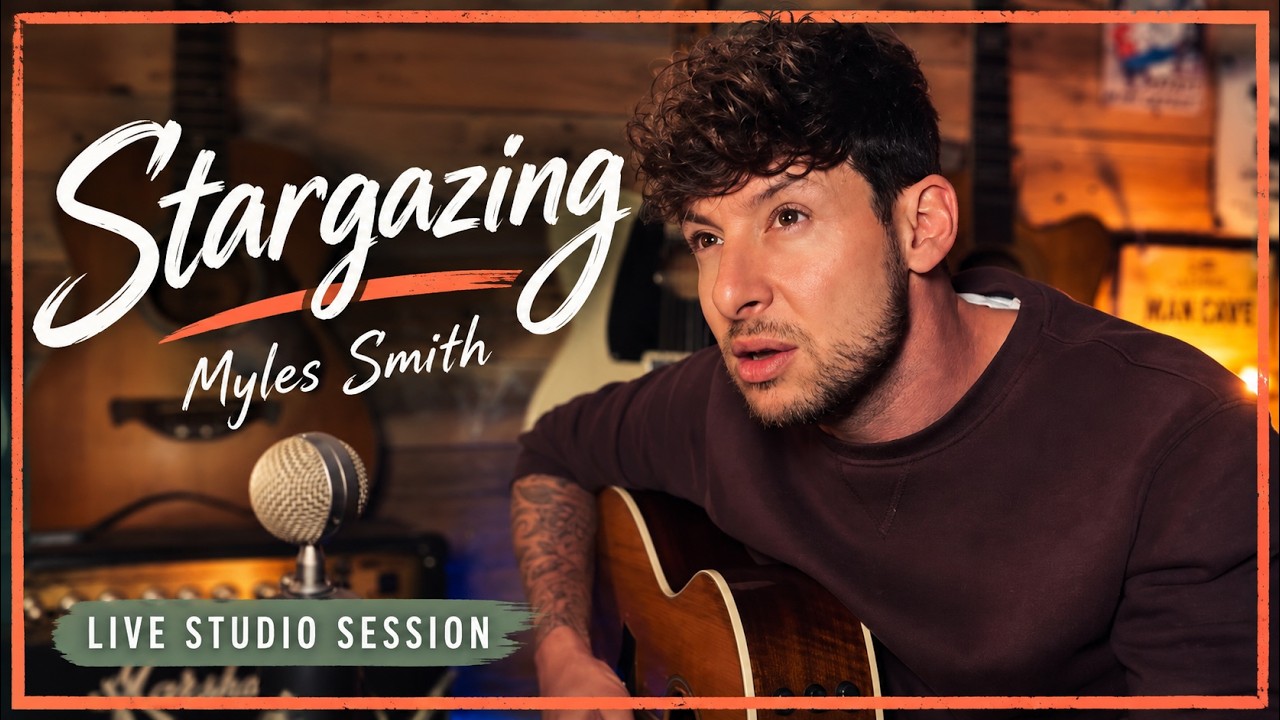
On the picture side, it synced both cameras and the separate audio recorder to each other, then found the song in the full session and trimmed it to the first and last note. It turned the iPhone footage the right way up, because I'd filmed it upside down. It framed every shot around my face and the mic, kept the eye line consistent between the two cameras and cut between them with the music.
The vertical camera got some movement so it looks handheld, and when it goes down to the guitar it stays there for a few seconds rather than darting back up. The iPhone's skin colour was matched to the Canon's, and because the iPhone was much sharper than the Canon, the two were met in the middle. The background was softened so that the guitar and I stand out the way we would with a proper lens, and it made a vertical version for Shorts and Reels from the same session.
The finished version
Why I built it
Years ago when I was writing songs I was writing all the time. I wrote so much and I didn't have the ability, the tools or the expertise to be able to record my own stuff well enough to be able to release it. I did release songs, and sadly a lot of them didn't sound great, not because they weren't incredible songs, and if only people could hear them for how they really could have been, they may well have done so much better for themselves.
So the downfall of an independent artist sometimes isn't their ability but the tools that they have available to them. I want to make a tool that can put every single artist that's passionate about their music in a position to have the tools they need in order to produce something great, without having to learn how to be a record engineer or a videographer.
If you've got footage like this sat on a hard drive, there's a free trial below.